- Home
- Priorities
- Clean Heating Choices
- Cleaner Burning Practices
Cleaner Burning Practices
Cleaner burning will help you breathe easier, and help prevent air quality burn bans. Learn how to stay warm while generating less smoke from your wood heat.
Minimize Smoke, Save Money
Generating excess chimney smoke is a sign you're not getting the most out of your fuel. Excess smoke is often caused from wood that is too wet or green. This also means you need a lot more wood to produce the heat you want. It is not only costly, but excess wood smoke can also impact air quality in your neighborhood, and it’s against the law. By using good burning practices, everybody wins.
Here are some ways to increase the heat you get from your wood, minimize the smoke, and limit negative impacts on your neighbors:
- Consider manufactured logs instead of wood. They are bug-free, dry, and burn up to 70% cleaner. A single manufactured log can burn from two to eight hours. Check the label to see which kinds are suitable for wood stoves; all are safe for open-hearth fireplaces.
- If you burn wood, use only dry, seasoned cordwood (less than 20% moisture). In our northwest climate, cordwood must be kept covered and dry for a year to season it properly. Get a free moisture meter by taking our Clean Burning Challenge.
- Use only small amounts of paper and kindling to start the fire, give it plenty of air, and burn small hot fires.
- Never burn garbage. It's unhealthy and against the law.
- Check your chimney periodically to make sure no smoke is visible. If you see smoke, your fire needs more air, or your wood may be too wet or green.
Burn Responsibly
- Sign up for burn ban alerts to stay in the know about wintertime air quality burn bans.
- Observe air quality burn bans.
- Stage 1 Burn Ban:
It is unlawful to use fireplaces and uncertified wood stoves. - Stage 2 Burn Ban:
In addition to fireplaces and uncertified wood stoves, it is also unlawful to use certified wood stoves and pellet stoves.
- Stage 1 Burn Ban:
- Know the laws that govern burning with wood. Visit our wood burning and the law webpage to learn more.
- Learn how to properly and safely operate your wood stove or fireplace.
- Review our clean burning checklist, take our Clean Burning Challenge and we will mail you a free Clean Burning Kit!
Clean Burning Checklist
The Fuel
Consider Manufactured Logs
Manufactured logs are a cleaner choice for ambience burning in your fireplace. Read up or consult your local hearth dealer about which energy logs are appropriate for your stove or insert. And always store manufactured logs in a dry location.
Split Your Firewood Prior To Stacking
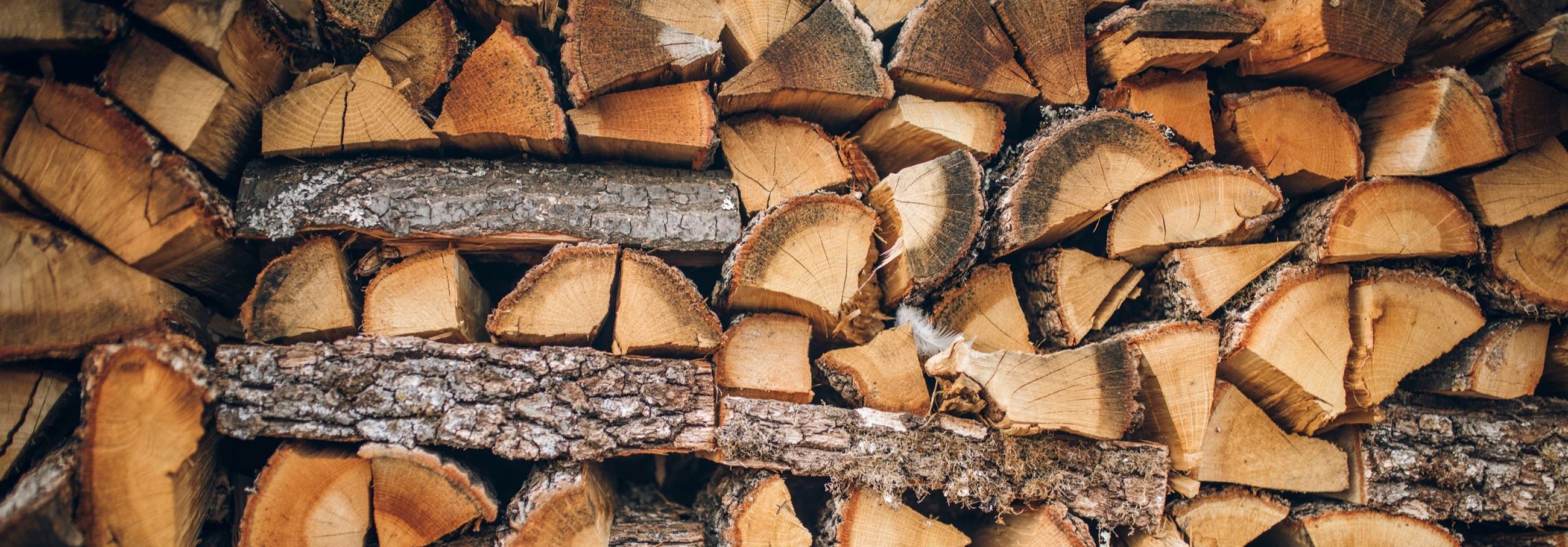
Split firewood is exposed to air, which helps it dry. Dry firewood provides more heat with less smoke.
Store Your Firewood Off The Ground And Covered From The Elements
Keeping your wood covered and off the ground will allow air to circulate and ensure it will remain dry. This can also help reduce the number of unwanted critters making homes in your woodpile.
Season (Store) Your Wood For At Least 6-12 Months Before Burning
In order to achieve a hot burning, low-smoke fire, wood must be seasoned for at least 6-12 months. Seasoned means dry and properly stored. In the Puget Sound region’s wet climate, firewood can take a full 12 months to properly season.
Check Your Wood Before Burning
Use a moisture meter to check the moisture of your wood. Wood is ready to burn when the moisture content is below 20% or the wood sounds hollow when knocked together.
The Device
Choose A Clean Burning Device, Such As A Pellet Stove Or EPA Certified Wood Stove
Uncertified wood stoves and fireplace inserts can produce twice as much pollution as cleaner, EPA certified devices. Switching to a certified device will help reduce the amount of fuel needed to maintain adequate heat in your home.
Read The Manual For Your Device
Each manufacturer provides a useful manual for their products. Reading the manual will ensure you know the ins and outs of your device and understand how to get the best performance possible.
The Fire
Burn Small, Hot Fires
Keeping your fire small and hot is critical. They will keep you toasty and are much better for the air – both inside your home and out.
Manage Your Smoke
Think of wood smoke as wasted heat. If your fire is smoky, you aren’t getting all of the warmth out of your wood.
Monitor the smoke coming from your chimney. Ideally, you should barely be able to see it 20 minutes after starting or reloading your fire – if at all. If it appears thick, you need to adjust your airflow or fuel, or check to make sure you are only using dry, seasoned wood. If these measures don’t reduce the smoke, it may be time to replace your device.
Never Let Your Fire Smolder
Especially not overnight. It’s bad for the air inside your home and the air around your neighborhood.